Why condition verification matters for bulk orders
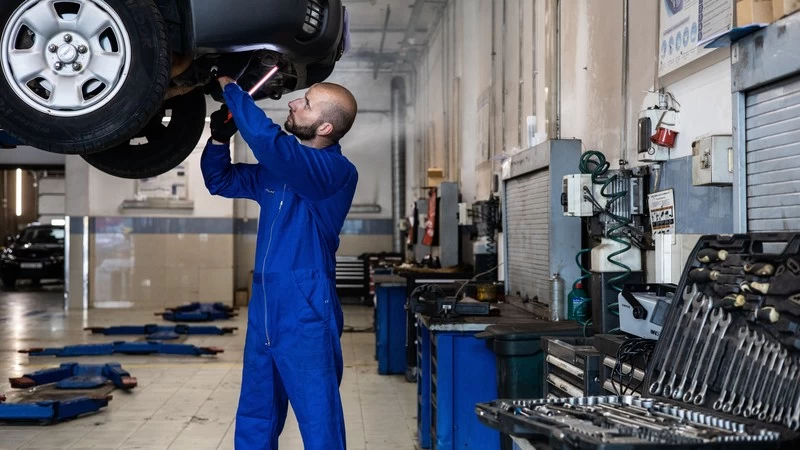
When you import a batch, one weak unit can create a return dispute, a customs question, or a resale loss. Verifying condition before shipping costs far less than fixing problems after arrival.
A documented inspection also gives your customs broker and your downstream buyers a consistent record. Treat the inspection as part of the purchase, not an extra step.
Start with the records
Match the VIN on the body to the title and export documents. A VIN mismatch is a red flag that can block export or entry.
Review the odometer reading and ask for service or auction records where available. Record the number in your order file so the delivered unit matches what you approved.
The visual inspection checklist
| Area | What to check |
|---|---|
| Body and paint | Panel alignment, repaint signs, rust, dents |
| Interior | Seats, dashboard warning lights, electronics |
| Tires and wheels | Tread depth, matched sizes, curb damage |
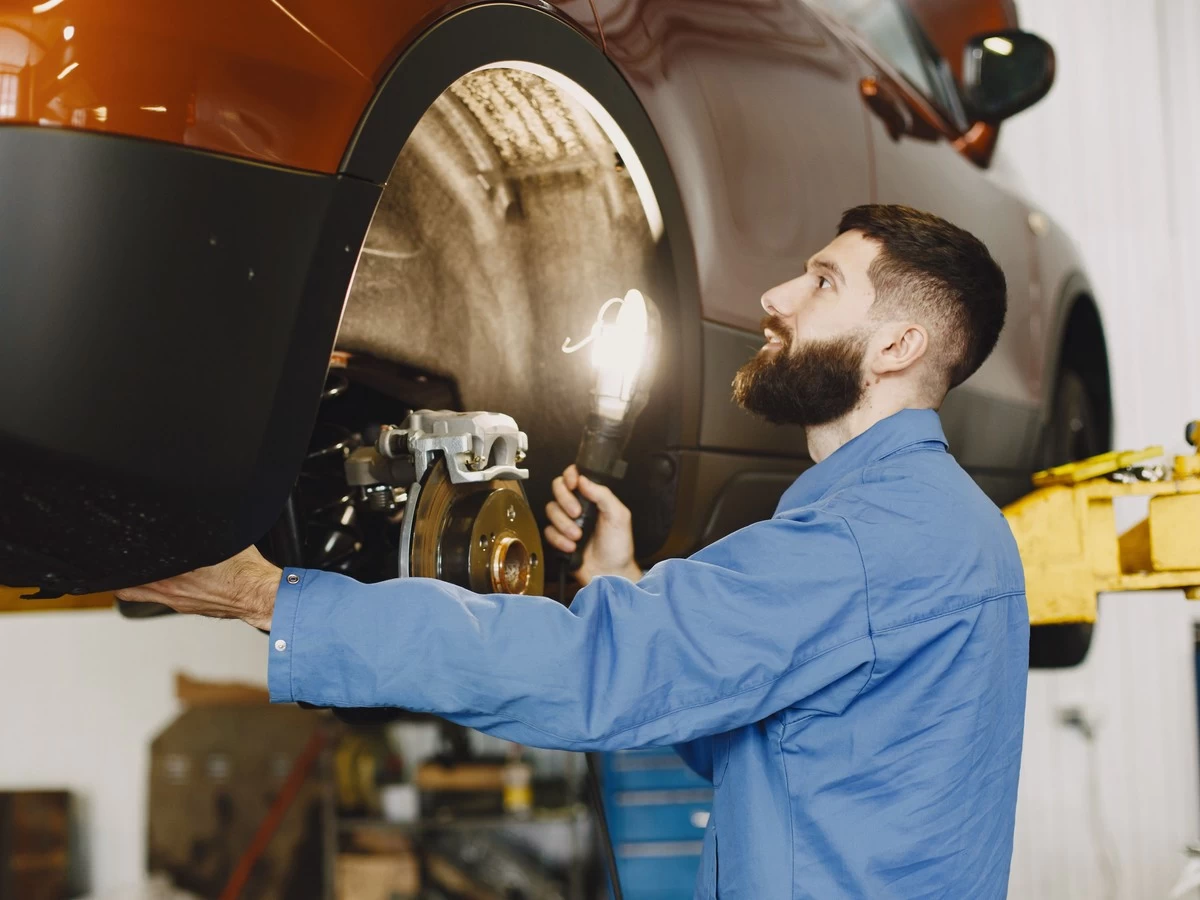
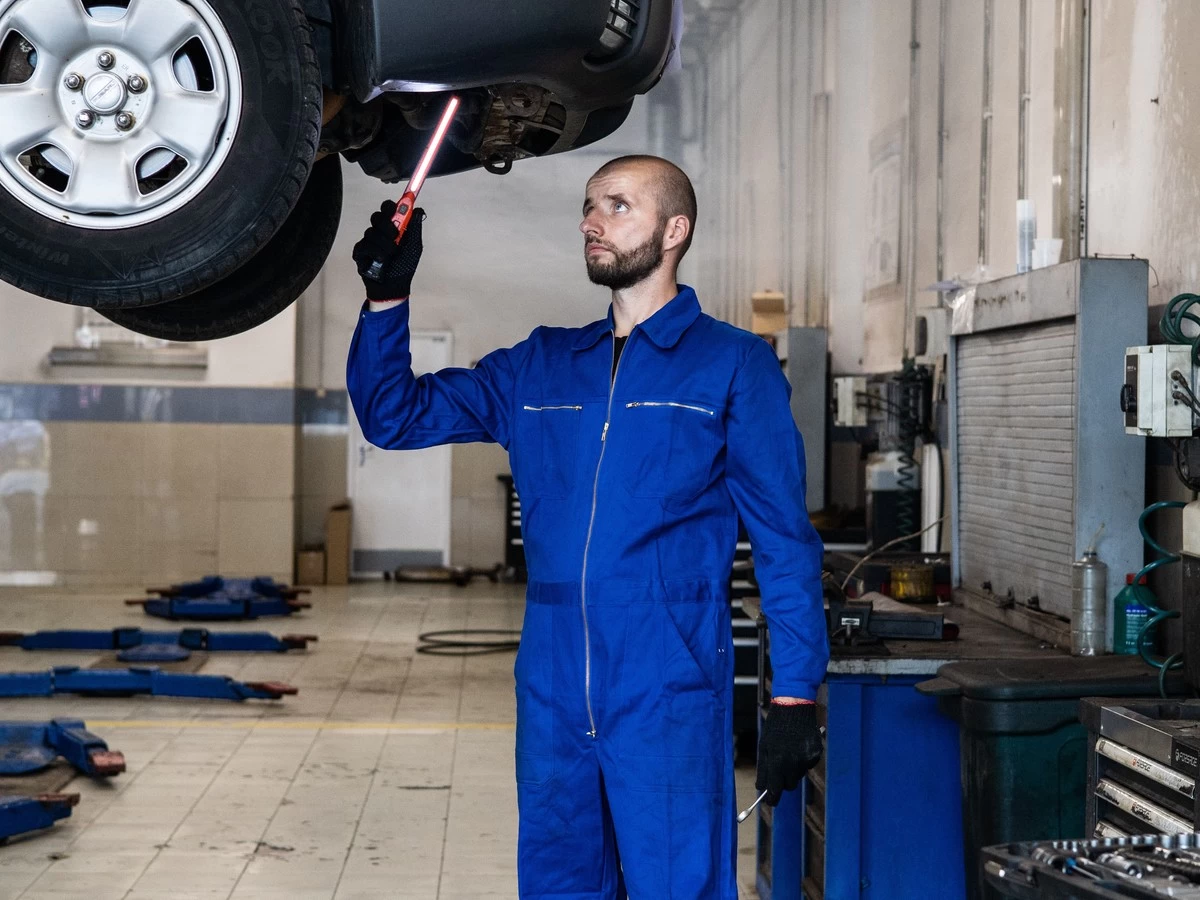
| Underbody | Leaks, corrosion, previous repairs |
| Glass and lights | Cracks, function of all lamps |
Grading and how to use it
Many export yards grade vehicles from A (excellent) to lower grades for visible wear. Grades help you compare units, but they are the seller’s view, not a substitute for photos and records.
Ask for grade definitions in writing so your team and the supplier use the same standard. The same letter should mean the same thing on every order.
Verifying condition remotely
- Request a walk-around video with the VIN visible at the start.
- Ask for close-ups of any noted damage and of the odometer.
- Use a live video call for high-value or mixed batches.
- Confirm the inspection date matches the shipment date window.
Common inspection mistakes
- Trusting a grade without photos.
- Skipping the VIN-to-title match.
- Not recording the odometer before shipping.
- Accepting a single generic photo for a batch.
Frequently asked questions
Can I inspect vehicles I never see in person?
Yes, through dated photos, video, and a live call. Keep the files linked to each VIN.
What if the unit arrives differently from the listing?
A written inspection record and photos are your evidence for a claim. Confirm the return and dispute terms before paying.
How many photos are enough per vehicle?
At least four: front, rear, both sides, plus close-ups of any damage and the odometer.
Should mileage be verified?
Yes. Record the odometer reading and match it to the documents before shipment.
Do grades replace a real inspection?
No. Use grades as a filter, then verify with media for the units you buy.
Who performs the inspection?
The supplier or a third-party inspector. For bulk orders, a neutral inspector reduces disagreement.
Summary
Condition verification is a record-keeping discipline: match the VIN, capture the mileage, photograph the wear, and keep it all with the order. Do this before the container closes.
Request a vehicle inspection
Send the vehicle type, model year, quantity, grade range you accept, destination country, and target delivery date. We will arrange inspection media and a condition report per unit. Start an inquiry here or read more import guides on our BLOG.